照护患有cirrhosis的亲人
Caring for someone with cirrhosis
Cirrhosis is the late stage of liver disease, and it changes a family's life in ways most aren't prepared for. The medical management is unusual — dietary restrictions that fight muscle wasting, medications that prevent confusion episodes, the constant watch for variceal bleeding. The transplant evaluation is its own gauntlet. Here's the orientation.
家庭会发生什么变化
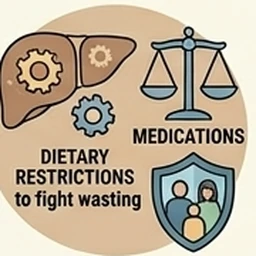
Cirrhosis (advanced scarring of the liver from chronic disease — alcohol, hepatitis, fatty liver, autoimmune) is a chronic-disease management problem with episodic crises. The day-to-day work centers on three patterns: a high-protein but low-sodium diet (the opposite of what most chronic diseases call for; cirrhosis patients often suffer muscle wasting that protein restriction worsens), the medication regimen (lactulose + rifaximin to prevent hepatic encephalopathy, diuretics for ascites, beta-blockers for varices, multiple supplements), and the constant readiness for an exacerbation. The exacerbations are real and frightening: hepatic encephalopathy (confusion that can come on over hours, often mistaken for dementia or stroke), variceal bleeding (vomiting blood — medical emergency), spontaneous bacterial peritonitis. The transplant evaluation is a multi-month process most families don't fully understand; the MELD score that determines wait-list priority changes weekly. And the alcohol-related-cirrhosis subset adds complex family dynamics — sobriety is required for most transplant programs, often after years of relapse + recovery.
需要尽早安排的事情
诊断之后的窗口期,是您的家庭最有余地去搭建后续整个旅程将依靠的结构的时刻。您拖得越久,其中一些事情就越难处理。
- A hepatology referral (not just GI) if the patient isn't already with one. Outcomes are measurably better with hepatologist care for cirrhosis; many academic medical centers have a dedicated cirrhosis or liver clinic.
- A transplant evaluation referral early. Wait times average 1-3 years depending on region + blood type + MELD score; preemptive listing (before complications) widens the patient's options. The evaluation itself is multi-month + intensive.
- A renal dietitian relationship (yes, the kidney specialist — cirrhosis nutrition is closer to renal nutrition than general nutrition). Generic "low-sodium" or "healthy" diet advice can worsen cirrhosis-specific issues. Most hepatology programs have one on the team.
- A clear understanding of the medication regimen — especially lactulose dosing, which the patient titrates themselves based on bowel movements (the inverse of how most medications work). Confusion about lactulose dosing is a leading cause of preventable hepatic encephalopathy hospitalizations.
- A written action plan for hepatic encephalopathy. Subtle confusion is often the first sign; families who recognize it and adjust lactulose at home prevent most hospitalizations. Most hepatology teams give one; if yours hasn't, ask.
- Legal documents while cognition is intact: durable POA, healthcare POA, advance directive. Hepatic encephalopathy can intermittently impair capacity for years before it permanently does; getting the paperwork done early matters.
最艰难的时刻
家庭描述为最艰难的时刻,往往是没有人提前提醒过他们的那些时刻。知道接下来可能发生什么,并不会让任何一刻变得容易——但能给这些时刻一个名字,并拥有一个在它们发生时能让家人重新聚拢起来的工作空间,会有帮助。
- The first hepatic encephalopathy episode. The patient who was lucid an hour ago is suddenly confused, agitated, sometimes hallucinating. The family's ability to recognize and respond (extra lactulose, hospital if severe) determines whether it stays a kitchen incident or becomes a 5-day admission.
- A variceal bleed. Vomiting blood is one of the most frightening symptoms in medicine. Emergency endoscopy with banding can stop it; the immediate threat is well-managed in tertiary centers; the recurrence risk shapes the next year.
- The transplant decision — listed vs. not, accepting vs. declining an organ offer at 3 AM. For alcohol-related cirrhosis, the sobriety question adds a layer most families weren't expecting: most programs require 6 months of documented sobriety, some require more.
- The conversation about stopping aggressive treatment. End-stage liver disease has clear inflection points; comfort-focused care is increasingly accepted in hepatology but rarely offered without the family asking. Palliative care consults early are widely recommended and widely under-utilized.
与此相关的指南
Kintaria 的指南是针对这条照护路径上具体时刻的分步说明。每一份都会在您的工作空间中打开,并根据您的回答进行个性化调整。
- Foundation · One-time setupGet the legal paperwork in order.
- Hospital · 48-hour windowYour parent was just discharged from a hospital.
- Spouse · OngoingWhen you are the caregiver-spouse.
- Transition · HospiceYou think your parent may be approaching the end of life.
- Parent · This is real nowYour parent is in the ER for the first time.
全国性组织与求助热线
这些是业内公认的标准起点。全部免费,并且都是真人接听的求助热线(针对照护者的 AI 电话热线属于另一类——这里指的是接受过该具体疾病培训的人员)。
- Helpline · 1-800-465-4837
The largest patient + family liver-disease organization. Free helpline, support groups (in-person + online), patient education on cirrhosis specifically, advocacy on access to transplant + new therapies.
International patient-advocacy organization. Strong on the policy + research side, useful for families navigating insurance coverage decisions or pursuing access to emerging therapies. Patient-and-family newsletters.
- 1-800-489-3863
Helps patients and families fundraise for transplant-related costs (medications, lodging during evaluation, post-transplant care). Most transplant centers refer families to NFT for the financial side.
For viral-hepatitis-related cirrhosis specifically. The Hep B Foundation's patient + family resources are the best in the category; hepatitis-C-related cirrhosis remains common despite cure rates because patients diagnosed before treatment availability often present with advanced disease.
Clinician-society resources translated for patients. Strong cirrhosis-specific guides; useful when the family wants to understand what the hepatology team is doing + why.
Authoritative US government plain-language overview. Free, comprehensive, available in English + Spanish.
Kintaria 工作空间如何提供帮助
Kintaria 是一个为这次诊断即将带来的工作而设计的、平静的、共享的家庭工作空间。用药清单集中在一个地方(这样周末飞回来的第三个兄弟姐妹就不必重新弄清楚有什么变化)。就诊日历是共享的(这样家人就不会重复预约或漏掉风湿科的复诊)。活动记录如实记录谁做了什么(这样主要照护者就不会默默承担一切)。并且工作空间是双语的——患者用自己更习惯的语言阅读,家人用英语阅读——当诊断本身已经让人手足无措时,这一点比人们以为的更重要。
前 500 个创始家庭可享 1 年免费试用。无需信用卡。
关于 Kintaria 是什么(以及不是什么)的说明
Kintaria 不是临床工具,不能替代医学决定,也不能取代cirrhosis的照护团队。本页的内容是面向协调照护工作的家庭的导览;具体的临床决定需要由患者的医生作出。整个工作空间中的升级提示对这一界线是诚实的。
本页中的照护术语
您在阅读时可能希望先了解定义的词。每一个都会打开一个独立页面,提供平实的含义说明以及在照护中如何出现。
- Palliative care — Specialty care focused on quality of life and symptom relief for people with serious illness.
- Power of attorney — A legal document where one person (the "principal") authorizes another person (the "agent" or "attorney-in-fact") to act on their behalf in financial matters.
- Healthcare proxy — A legal document naming a person to make medical decisions if the patient cannot.
- Advance directive — A written document specifying a patient's wishes for end-of-life medical care — typically covering CPR, mechanical ventilation, artificial nutrition, and other interventions when recovery is unlikely.
- Comfort care — A care approach focused entirely on symptom relief and dignity rather than disease treatment.