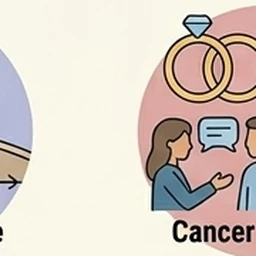
Chăm sóc người thân mắc cancer
Caring for a spouse or parent with cancer
The first 30 days after a cancer diagnosis are dominated by appointment cascade and treatment-plan decisions. The marriage or family relationship suddenly has to function as a clinical-decision-making unit, often without warning. Here's the structure for setting up the rhythm.
Điều gì thay đổi đối với gia đình
Cancer caregiving has a different shape than dementia or stroke caregiving. The arc is variable — some cancers move fast, others are managed for years; some treatments are punishing in known, scheduled ways; some create chronic-illness rhythms that look like the rest of life. The family role shifts into the appointment cascade (oncology + surgical + radiation teams + the staging workup), the insurance + employer + FMLA paperwork, and the moment-to-moment work of being present during chemotherapy infusions, scans, and waiting-for-results weeks. Spouse caregivers in particular face the partnership-becomes-care-relationship reorganization that dementia and stroke also bring, but with the added emotional weight of a disease that announces specific outcomes — remission, recurrence, progression — at scheduled intervals.
Những điều nên sắp xếp sớm
Khoảng thời gian ngay sau khi có chẩn đoán là lúc quý vị có nhiều dư địa nhất để dựng nên cấu trúc mà cả chặng đường phía sau sẽ tựa vào. Quý vị càng trì hoãn, một số việc dưới đây càng trở nên khó khăn hơn.
- The second-opinion question. For most cancers, getting a second opinion at a high-volume cancer center is reasonable; the calendar pressure to start treatment shouldn't override this. Most insurance covers it.
- A spreadsheet (or your Kintaria workspace) for tracking the team: medical oncologist, surgical oncologist, radiation oncologist, nurse navigator, social worker, infusion center contact. The roster gets big fast.
- FMLA and short-term-disability paperwork for the patient AND the primary caregiver. Both may need leave — the caregiver more often than the patient.
- A genetic counseling referral if the diagnosis is breast, ovarian, prostate, pancreatic, colorectal, or other hereditary-pattern cancer. Matters for the patient's treatment and for the family's screening.
- An honest conversation about the financial impact. Cancer treatment is expensive even with good insurance; the caregiver is often the one tracking what insurance covered, what was denied, what to appeal.
- A weekly rhythm that protects the family's non-cancer hours. The temptation is for the disease to take over the calendar; the deliberate choice to keep a non-cancer Saturday morning is part of the structural work.
Những khoảnh khắc khó khăn nhất
Những khoảnh khắc mà các gia đình mô tả là khó khăn nhất thường là những khoảnh khắc không ai báo trước cho họ. Biết được điều gì có khả năng xảy ra không làm cho bất kỳ khoảnh khắc nào trong đó dễ chịu hơn — nhưng có một cái tên cho chúng, và có một không gian làm việc giúp đưa gia đình trở lại bên nhau khi chúng xảy ra, thì sẽ đỡ hơn nhiều.
- Scan day. The week before a scan, and the days between scan and result, are some of the hardest of any cancer journey. Caregivers carry this load too; most don't have language for it.
- The recurrence call. For families navigating cancer that has progressed despite treatment, the moment of the new scan result is often where the framing shifts from "treatment" to "what does this mean."
- The hospice conversation, when it arrives. Hospice is not giving up — it's choosing comfort when more treatment won't help. Most families wish they had started the conversation earlier.
- The fertility, work, and identity decisions for younger patients. Cancer in someone under 50 brings questions the standard caregiving frame doesn't cover.
Các hướng dẫn liên quan đến tình trạng này
Các hướng dẫn của Kintaria là từng bước cho những khoảnh khắc cụ thể xuất hiện trong hành trình chăm sóc này. Mỗi hướng dẫn sẽ mở ra trong không gian làm việc của quý vị và được cá nhân hoá theo câu trả lời của quý vị.
- Spouse · First 30 daysYour spouse was just diagnosed with cancer.
- Hospital · 48-hour windowYour parent was just discharged from a hospital.
- Spouse · OngoingWhen you are the caregiver-spouse.
- Transition · HospiceYou think your parent may be approaching the end of life.
- Parent · 72 hours + 30 daysYour parent is recovering from a surgery.
Các tổ chức quốc gia và đường dây hỗ trợ
Đây là những tổ chức được giới chuyên môn xem là điểm khởi đầu chuẩn mực. Tất cả đều miễn phí, và tất cả đều có người trực tổng đài (đường dây trợ giúp người chăm sóc do AI vận hành là một thể loại khác — ở đây là những người đã được đào tạo cụ thể về tình trạng này).
- Cancer Helpline · 1-800-227-2345 · 24/7 in 200+ languages
The starting point. 24/7 helpline in 200+ languages, "Caregiver Resource Guide," Hope Lodge free housing for treatment travel.
- 1-800-813-4673
Free professional counseling by oncology social workers. Spouse/partner-specific support groups by diagnosis. Insurance + benefits case management. Small co-pay grants.
Specialized in the legal and financial side: FMLA, STD, employment protections, ACA appeals, COBRA timing. Free quick-guides for caregivers.
- 1-888-793-9355
Free professional counseling, support groups, education, and the Open to Options decision-support program for families weighing treatment.
The NCI plain-language caregiver guide. Free, authoritative, comprehensive.
Không gian làm việc Kintaria giúp được gì
Kintaria là một không gian gia đình chung, dịu dàng, được dựng lên cho khối công việc mà chẩn đoán này sắp tạo ra. Danh sách thuốc nằm ở một chỗ (để người em thứ ba bay về vào cuối tuần không phải học lại từ đầu xem có gì thay đổi). Lịch khám được chia sẻ (để gia đình không đặt trùng lịch hoặc bỏ sót buổi tái khám với chuyên khoa thấp khớp). Dòng hoạt động nói thật về việc ai đã làm gì (để người chăm sóc chính không lặng lẽ gánh hết). Và không gian này song ngữ — người bệnh đọc bằng ngôn ngữ họ thấy dễ chịu hơn, còn gia đình đọc bằng tiếng Anh — điều mà mọi người thường đánh giá thấp tầm quan trọng cho đến khi chẩn đoán đã khiến mọi thứ rối loạn.
Dùng thử miễn phí 1 năm dành cho 500 gia đình sáng lập đầu tiên. Không cần thẻ tín dụng.
Một lời nhắc về Kintaria là gì (và không phải là gì)
Kintaria không phải là công cụ lâm sàng, không thay thế cho quyết định y khoa, và không thay thế cho đội ngũ chăm sóc cancer. Nội dung trên trang này dành cho các gia đình đang phối hợp việc chăm sóc; những quyết định lâm sàng cụ thể cần được bác sĩ của người bệnh đưa ra. Các dấu hiệu cần báo cáo khẩn cấp xuất hiện xuyên suốt không gian làm việc đều trung thực về ranh giới đó.
Các thuật ngữ chăm sóc xuất hiện trên trang này
Những từ quý vị có thể muốn tra nghĩa trong khi đọc. Mỗi từ sẽ mở ra trang riêng với phần định nghĩa bằng ngôn ngữ dễ hiểu và cách từ đó xuất hiện trong việc chăm sóc.
- Hospice — A type of care for people with a life expectancy of about 6 months or less, focused entirely on comfort rather than cure.
Xem thêm: tất cả các tình trạng · tất cả các hướng dẫn · từ điển dành cho người chăm sóc · danh bạ tài nguyên toàn quốc