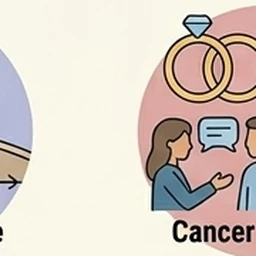
cancerを抱えるご家族の介護
Caring for a spouse or parent with cancer
The first 30 days after a cancer diagnosis are dominated by appointment cascade and treatment-plan decisions. The marriage or family relationship suddenly has to function as a clinical-decision-making unit, often without warning. Here's the structure for setting up the rhythm.
家族にとって何が変わるか
Cancer caregiving has a different shape than dementia or stroke caregiving. The arc is variable — some cancers move fast, others are managed for years; some treatments are punishing in known, scheduled ways; some create chronic-illness rhythms that look like the rest of life. The family role shifts into the appointment cascade (oncology + surgical + radiation teams + the staging workup), the insurance + employer + FMLA paperwork, and the moment-to-moment work of being present during chemotherapy infusions, scans, and waiting-for-results weeks. Spouse caregivers in particular face the partnership-becomes-care-relationship reorganization that dementia and stroke also bring, but with the added emotional weight of a disease that announces specific outcomes — remission, recurrence, progression — at scheduled intervals.
早めに整えておきたいこと
診断後の期間は、これから先の道のり全体が支えにする構造を、ご家族が最もよく整えられるタイミングです。先延ばしにすればするほど、ここに挙げた事柄のいくつかは難しくなっていきます。
- The second-opinion question. For most cancers, getting a second opinion at a high-volume cancer center is reasonable; the calendar pressure to start treatment shouldn't override this. Most insurance covers it.
- A spreadsheet (or your Kintaria workspace) for tracking the team: medical oncologist, surgical oncologist, radiation oncologist, nurse navigator, social worker, infusion center contact. The roster gets big fast.
- FMLA and short-term-disability paperwork for the patient AND the primary caregiver. Both may need leave — the caregiver more often than the patient.
- A genetic counseling referral if the diagnosis is breast, ovarian, prostate, pancreatic, colorectal, or other hereditary-pattern cancer. Matters for the patient's treatment and for the family's screening.
- An honest conversation about the financial impact. Cancer treatment is expensive even with good insurance; the caregiver is often the one tracking what insurance covered, what was denied, what to appeal.
- A weekly rhythm that protects the family's non-cancer hours. The temptation is for the disease to take over the calendar; the deliberate choice to keep a non-cancer Saturday morning is part of the structural work.
もっともつらい瞬間
ご家族がもっともつらかったと語る瞬間は、誰も事前に教えてくれなかった瞬間であることがよくあります。これから起こりうることを知っていても、どの瞬間も楽になるわけではありません。それでも、その瞬間に名前を与えられること、そしてその瞬間が来たときに家族を再び結びつけてくれるワークスペースがあることは、確かに助けになります。
- Scan day. The week before a scan, and the days between scan and result, are some of the hardest of any cancer journey. Caregivers carry this load too; most don't have language for it.
- The recurrence call. For families navigating cancer that has progressed despite treatment, the moment of the new scan result is often where the framing shifts from "treatment" to "what does this mean."
- The hospice conversation, when it arrives. Hospice is not giving up — it's choosing comfort when more treatment won't help. Most families wish they had started the conversation earlier.
- The fertility, work, and identity decisions for younger patients. Cancer in someone under 50 brings questions the standard caregiving frame doesn't cover.
これに対応するプレイブック
Kintaria のプレイブックは、この介護の道のりで実際に出てくる具体的な場面のための、ステップ・バイ・ステップの手引きです。それぞれがあなたのワークスペース内で開き、あなたの回答に応じてパーソナライズされます。
- Spouse · First 30 daysYour spouse was just diagnosed with cancer.
- Hospital · 48-hour windowYour parent was just discharged from a hospital.
- Spouse · OngoingWhen you are the caregiver-spouse.
- Transition · HospiceYou think your parent may be approaching the end of life.
- Parent · 72 hours + 30 daysYour parent is recovering from a surgery.
全国規模の団体と電話相談窓口
これらは、この分野で標準的な出発点とされている団体です。すべて無料で、すべて実在の担当者が対応する電話相談窓口です(介護者向けの AI 電話相談はまた別のカテゴリーで、ここでは特定の疾患の研修を受けた人を指します)。
- Cancer Helpline · 1-800-227-2345 · 24/7 in 200+ languages
The starting point. 24/7 helpline in 200+ languages, "Caregiver Resource Guide," Hope Lodge free housing for treatment travel.
- 1-800-813-4673
Free professional counseling by oncology social workers. Spouse/partner-specific support groups by diagnosis. Insurance + benefits case management. Small co-pay grants.
Specialized in the legal and financial side: FMLA, STD, employment protections, ACA appeals, COBRA timing. Free quick-guides for caregivers.
- 1-888-793-9355
Free professional counseling, support groups, education, and the Open to Options decision-support program for families weighing treatment.
The NCI plain-language caregiver guide. Free, authoritative, comprehensive.
Kintaria のワークスペースがどう役立つか
Kintaria は、この診断がこれから生み出す仕事のために設計された、穏やかで共有可能な家族のワークスペースです。お薬リストは 1 か所にまとまっており、週末に飛行機で帰ってくる 3 番目のきょうだいが「何が変わったか」を一から学び直さずに済みます。診察の予定は共有されていて、家族が予定を重ねたり、リウマチ科のフォローアップを見落としたりしにくくなります。アクティビティの記録は「誰が何をしたか」について正直で、主たる介護者がすべてを黙って抱え込まなくて済みます。そしてワークスペースはバイリンガルです — 患者さまはご自身が楽な言語で読み、ご家族は英語で読みます — 診断そのものですでに頭が回らない状況では、この点は多くの人が想像する以上に重要になります。
創設の最初の 500 ご家族には 1 年間の無料トライアルをご提供します。クレジットカードは不要です。
Kintaria が何であり、何でないかについての一文
Kintaria は臨床ツールではなく、医療上の意思決定の代わりになるものでもなく、cancerの医療チームの代わりになるものでもありません。このページの内容は、介護を調整するご家族のためのオリエンテーションです。個別の臨床判断は、患者さまの担当医師が行う必要があります。ワークスペース全体で示されるエスカレーションのサインは、その境界について正直に書かれています。
このページに出てくる介護用語
お読みになりながら意味を確認したくなりそうな言葉です。それぞれが独立したページで開き、わかりやすい言葉での意味と、介護の現場でどのように出てくるかを説明します。
- Hospice — A type of care for people with a life expectancy of about 6 months or less, focused entirely on comfort rather than cure.
関連リンク: すべての疾患 · すべてのプレイブック · 介護者用語集 · 全国リソース一覧