Chăm sóc người thân mắc diabetes
Caring for an older adult with diabetes
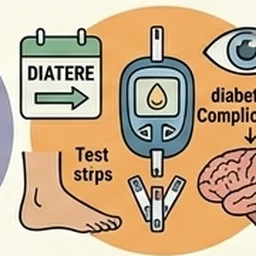
Diabetes in an older adult is two stories at once: the medical management of blood sugar, and the long-tail of complications — vision, kidney function, foot care, the diabetes-dementia connection — that gradually reshape the patient's life. The work for the family is less about a single moment and more about preventing the next problem. Here's the orientation.
Điều gì thay đổi đối với gia đình
Type 2 diabetes (the most common form in older adults) is a chronic-disease management problem with consequences that compound over years. The day-to-day work — blood-sugar monitoring, medication adherence, food choices, hypoglycemia recognition — sits with the patient and a family caregiver who often quietly absorbs it. Several big patterns reshape family life: hypoglycemia (low blood sugar) episodes that come on fast, especially with insulin or sulfonylureas; the diabetes-dementia connection (poorly-controlled diabetes meaningfully raises dementia risk + makes existing cognitive symptoms worse); the diabetic complications — retinopathy, neuropathy, kidney disease, peripheral artery disease, foot ulcers that become infections that become amputations — that progress more slowly than a heart attack but are no less consequential; and the medication burden, often 5-10 drugs, that requires real coordination. The good news: most diabetic complications are preventable or delayable with steady management. The harder news: "steady management" is harder than it sounds.
Những điều nên sắp xếp sớm
Khoảng thời gian ngay sau khi có chẩn đoán là lúc quý vị có nhiều dư địa nhất để dựng nên cấu trúc mà cả chặng đường phía sau sẽ tựa vào. Quý vị càng trì hoãn, một số việc dưới đây càng trở nên khó khăn hơn.
- A continuous glucose monitor (CGM) if not already prescribed. CGMs (Dexcom, Libre) have transformed diabetes management — real-time glucose data, alarms for highs and lows, trend arrows. Medicare covers them for most patients on insulin. The information is useful to the family caregiver too.
- A standing-orders foot exam at every primary-care visit. Diabetic foot complications are one of the top preventable causes of hospitalization and amputation in older adults; the screen takes 60 seconds.
- Annual dilated eye exam with an ophthalmologist (not just an optometrist). Diabetic retinopathy progresses silently; early-stage treatment is dramatically more effective than late.
- Annual kidney function check (urine albumin + eGFR). Diabetes is the #1 cause of kidney disease in the US; catching the slide early opens treatment options that dramatically slow progression.
- A clear written "if blood sugar is X, do Y" plan from the patient's primary or endocrinologist. The patient needs it, the spouse needs it, the home caregiver needs it. Hypoglycemia in older adults can present as confusion (mistaken for dementia) or falls (mistaken for orthostatic issues).
- A conversation about deprescribing if the patient is on a sulfonylurea (glipizide, glyburide) or aggressive insulin regimen. Older-adult guidelines explicitly recommend LESS-tight blood-sugar targets in patients with limited life expectancy or significant comorbidities; many older diabetics are over-treated and at high risk of dangerous hypoglycemia.
Những khoảnh khắc khó khăn nhất
Những khoảnh khắc mà các gia đình mô tả là khó khăn nhất thường là những khoảnh khắc không ai báo trước cho họ. Biết được điều gì có khả năng xảy ra không làm cho bất kỳ khoảnh khắc nào trong đó dễ chịu hơn — nhưng có một cái tên cho chúng, và có một không gian làm việc giúp đưa gia đình trở lại bên nhau khi chúng xảy ra, thì sẽ đỡ hơn nhiều.
- The first serious hypoglycemia episode. Often presents as sudden confusion, sweating, weakness; can mimic stroke or cardiac event. The family's ability to recognize + treat (glucose tablets, juice, glucagon kit) determines whether it stays a kitchen incident or becomes an ER visit.
- A diabetic-foot infection or ulcer. What starts as a small sore can progress to cellulitis, osteomyelitis, and amputation faster than families expect. The decision to see a podiatrist or wound-care specialist same-day vs "wait and see" is consequential.
- The diagnosis of diabetic retinopathy or kidney disease. Both are silent until they're not, and the patient often experiences these as out-of-the-blue losses even when the progression has been visible to the clinicians for years.
- Cognitive symptoms in a patient with long-standing diabetes. The diabetes-dementia connection is real and bidirectional. Worsening cognition can make diabetes management harder, which worsens diabetes control, which worsens cognition. Breaking the cycle requires simplifying the medication regimen, often deprescribing aggressive treatments, and accepting less-tight targets.
Các hướng dẫn liên quan đến tình trạng này
Các hướng dẫn của Kintaria là từng bước cho những khoảnh khắc cụ thể xuất hiện trong hành trình chăm sóc này. Mỗi hướng dẫn sẽ mở ra trong không gian làm việc của quý vị và được cá nhân hoá theo câu trả lời của quý vị.
- Foundation · One-time setupGet the legal paperwork in order.
- Hospital · 48-hour windowYour parent was just discharged from a hospital.
- Planning · First few weeksYou're ready to bring in a home health aide.
- Parent · 72 hours + 30 daysYour parent is recovering from a surgery.
- Parent · This is real nowYour parent is in the ER for the first time.
Các tổ chức quốc gia và đường dây hỗ trợ
Đây là những tổ chức được giới chuyên môn xem là điểm khởi đầu chuẩn mực. Tất cả đều miễn phí, và tất cả đều có người trực tổng đài (đường dây trợ giúp người chăm sóc do AI vận hành là một thể loại khác — ở đây là những người đã được đào tạo cụ thể về tình trạng này).
- 1-800-DIABETES (1-800-342-2383)
The largest patient + family diabetes organization. Free helpline, "Living with Type 2" resources, Mediterranean + DASH diet guides, food-and-fitness planning tools, advocacy for insulin price caps + Medicare coverage.
Peer support specifically for women with diabetes (and their families). Online community, in-person meetups in many cities, a strong focus on the under-discussed reality that diabetes management interacts with hormonal + life-stage changes.
Type-1-focused (though family caregivers of type 1 adults can also benefit). Research-leading organization, peer-mentor program, and a strong policy-advocacy arm on insulin pricing + access.
For family members at risk of developing diabetes themselves (caregivers are at higher risk via stress + sleep loss). Year-long lifestyle program, covered by Medicare for eligible adults, can prevent or delay type 2.
Find a Certified Diabetes Care + Education Specialist (CDCES) near you. Medicare covers initial + annual diabetes self-management training (DSMT); most patients qualify and don't know it.
Authoritative US government plain-language overview. Free, comprehensive, available in English + Spanish.
Không gian làm việc Kintaria giúp được gì
Kintaria là một không gian gia đình chung, dịu dàng, được dựng lên cho khối công việc mà chẩn đoán này sắp tạo ra. Danh sách thuốc nằm ở một chỗ (để người em thứ ba bay về vào cuối tuần không phải học lại từ đầu xem có gì thay đổi). Lịch khám được chia sẻ (để gia đình không đặt trùng lịch hoặc bỏ sót buổi tái khám với chuyên khoa thấp khớp). Dòng hoạt động nói thật về việc ai đã làm gì (để người chăm sóc chính không lặng lẽ gánh hết). Và không gian này song ngữ — người bệnh đọc bằng ngôn ngữ họ thấy dễ chịu hơn, còn gia đình đọc bằng tiếng Anh — điều mà mọi người thường đánh giá thấp tầm quan trọng cho đến khi chẩn đoán đã khiến mọi thứ rối loạn.
Dùng thử miễn phí 1 năm dành cho 500 gia đình sáng lập đầu tiên. Không cần thẻ tín dụng.
Một lời nhắc về Kintaria là gì (và không phải là gì)
Kintaria không phải là công cụ lâm sàng, không thay thế cho quyết định y khoa, và không thay thế cho đội ngũ chăm sóc diabetes. Nội dung trên trang này dành cho các gia đình đang phối hợp việc chăm sóc; những quyết định lâm sàng cụ thể cần được bác sĩ của người bệnh đưa ra. Các dấu hiệu cần báo cáo khẩn cấp xuất hiện xuyên suốt không gian làm việc đều trung thực về ranh giới đó.
Các thuật ngữ chăm sóc xuất hiện trên trang này
Những từ quý vị có thể muốn tra nghĩa trong khi đọc. Mỗi từ sẽ mở ra trang riêng với phần định nghĩa bằng ngôn ngữ dễ hiểu và cách từ đó xuất hiện trong việc chăm sóc.
- eGFR — A calculated estimate of how well the kidneys are filtering, based on serum creatinine, age, and sex.
Xem thêm: tất cả các tình trạng · tất cả các hướng dẫn · từ điển dành cho người chăm sóc · danh bạ tài nguyên toàn quốc