Pag-aalaga sa mahal sa buhay na may COPD
Caring for someone with COPD
COPD is a slow-progressing disease punctuated by sudden, frightening exacerbations. The work of caregiving sits between those two paces — steady daily management (medications, oxygen, energy budgeting, vaccine adherence) and the always-possible 2 AM call when breathing gets worse. The families who do this well prevent most of the hospitalizations. Here's the orientation.
Ano ang nagbabago para sa pamilya
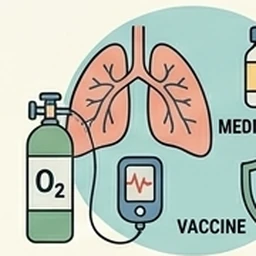
Chronic obstructive pulmonary disease (COPD) — emphysema, chronic bronchitis, or both — reorganizes a family around energy and breath. Patients learn to choose between walking to the bathroom and eating dinner; between talking on the phone and getting dressed. The caregiver becomes the manager of an unusual budget: oxygen tank scheduling, inhaler technique, the pulmonary-rehab attendance that's measurably the single highest-leverage intervention. Exacerbations — viral infections, cold air, smoke exposure — drop lung function fast and often require hospitalization; the difference between a 2-day urgent-care visit and a 10-day ICU stay is often whether the family caught the early signs. Late-stage COPD brings decisions about non-invasive ventilation (BiPAP), oxygen at higher flows, and the conversation about goals of care that most pulmonologists are surprisingly good at having when invited.
Ano ang dapat ihanda nang maaga
Ang panahon pagkatapos ng diagnosis po ang yugto na pinakamaraming puwedeng gawin ng pamilya para itayo ang istrukturang sasandalan ng natitirang bahagi ng paglalakbay na ito. Habang inaantala po ninyo, lalong nagiging mahirap ang ilan sa mga bagay na ito.
- Pulmonary rehab if eligible. This is the single most evidence-based intervention for quality of life in COPD and the most under-prescribed. 8-12 weeks of supervised exercise + education; results are dramatic. Ask if it wasn't offered.
- Smoking cessation — for the patient if still smoking, and for everyone in the household. Secondhand smoke meaningfully accelerates COPD progression. Free quit support at 1-800-QUIT-NOW.
- Annual flu shot + the pneumococcal series (PCV15 or PCV20 + PPSV23) + RSV vaccine for adults 60+ + updated COVID booster. Vaccine-preventable lung infections cause a disproportionate share of COPD hospitalizations.
- A written COPD action plan from the pulmonologist — green/yellow/red zones based on symptoms, with what to do at each. Most pulm teams give one; if yours hasn't, ask. Catching exacerbations early prevents most hospitalizations.
- Oxygen-equipment setup and a relationship with the home-oxygen company. Liquid vs concentrator vs portable tanks have very different daily ergonomics; the choice matters more than insurance reps acknowledge.
- A goals-of-care conversation while the patient is stable. Advanced COPD brings questions about intubation, ICU, and whether the patient wants comfort-focused care; talking about it before a crisis is far easier than during one.
Ang pinakamahihirap na sandali
Ang mga sandali pong inilalarawan ng mga pamilya bilang pinakamahirap ay madalas na yaong walang nagsabi nang maaga sa kanila. Hindi po nagiging madali ang anuman sa mga ito dahil lang alam na ninyo na malamang dumating ang mga ito — pero ang pagkakaroon po ng pangalan para sa mga ito, at ng isang workspace na nagbubuklod muli sa pamilya kapag dumating ang mga ito, ay talagang nakatutulong.
- The first exacerbation that lands them in the hospital. The patient is usually frightened (air hunger is one of the most distressing symptoms in medicine); the family is unprepared for how steep the recovery is. Post-hospitalization functional decline is a common pattern.
- The shift from "still active" to "needs oxygen 24/7." The day the cannula stays in around the house is one families describe as harder than the diagnosis itself — visible, identity-shifting.
- The exertion-vs-everything trade-off. Patients have to choose between physical effort and oxygen reserves on a daily basis; family members who don't understand this can interpret slowed-down behavior as depression rather than what it is.
- The end-of-life trajectory. COPD has a less-predictable end-stage than diseases like ALS or advanced cancer; the recurrent-exacerbation pattern can continue for years, making it hard to know when to consider hospice. Most pulmonologists wish families would ask about palliative care earlier.
Mga playbook na kaugnay nito
Ang mga playbook po ng Kintaria ay hakbang-hakbang na gabay para sa mga partikular na sandali na lumalabas sa daloy ng pag-aalaga na ito. Bawat isa po ay bubukas sa loob ng inyong workspace at iaayon sa mga sagot ninyo.
- Hospital · 48-hour windowYour parent was just discharged from a hospital.
- Foundation · One-time setupGet the legal paperwork in order.
- Spouse · OngoingWhen you are the caregiver-spouse.
- Parent · This is real nowYour parent is in the ER for the first time.
- Transition · HospiceYou think your parent may be approaching the end of life.
Mga pambansang organisasyon at helpline
Ito po ang mga organisasyong itinuturing na pamantayang panimulang punto sa larangan. Lahat po ay libre, at lahat ay tunay na helpline na sinasagot ng tao (ang AI-on-the-phone na caregiver line po ay ibang kategorya — dito po ay tao na sinanay sa partikular na kondisyong ito).
- C.O.P.D. Information Line · 1-866-316-2673
The patient + family organization specifically for COPD. Free education (the "COPD Pocket Consultant Guide" is the best plain-language primer in the field), peer-support groups (in-person + online), and the COPD360social community for patients + caregivers.
- Lung HelpLine · 1-800-586-4872
Free helpline staffed by registered nurses and respiratory therapists. "Better Breathers Club" support groups across the country, smoking-cessation programs, "Living with COPD" patient + family guides.
For patients + families who want to participate in research. Free to join; the registry has informed multiple FDA-approved therapies.
Find a certified pulmonary rehab program near you. Coverage details vary by Medicare/Medicaid + private insurance; the program intake walks you through them.
Authoritative US government plain-language overview. Free, comprehensive, available in English + Spanish.
Paano tumutulong ang isang Kintaria workspace
Ang Kintaria po ay isang kalmado at magkasamang workspace ng pamilya na ginawa para sa trabahong sisimulang likhain ng diagnosis na ito. Ang listahan ng gamot ay nasa iisang lugar (para hindi na po kailangang muling pag-aralan ng pangatlong kapatid na lilipad pauwi sa katapusan ng linggo kung ano ang nagbago). Ang kalendaryo ng mga appointment ay magkasama (para hindi po magdoble ang booking ng pamilya o makalimutan ang follow-up sa rheumatology). Ang activity feed ay tapat tungkol sa kung sino ang gumawa ng ano (para hindi po dahan-dahang nagdadala ng lahat ang pangunahing tagapag-alaga). At ang workspace ay bilingual po — ang pasyente ay nakababasa sa wikang mas komportable para sa kanya, ang pamilya ay nakababasa sa Ingles — at ito po ay mas mahalaga kaysa sa inaasahan ng karamihan kapag ang diagnosis mismo ay nakapagpapalito na.
Libreng 1-taong subok para sa unang 500 founding na pamilya. Walang kailangang credit card.
Isang paalala kung ano ang Kintaria (at kung ano ang hindi)
Hindi po klinikal na kasangkapan ang Kintaria, hindi po kapalit ng medikal na desisyon, at hindi po kapalit ng care team para sa COPD. Ang nilalaman po sa pahinang ito ay para sa mga pamilyang nag-uugnay ng pangangalaga; ang mga tiyak na klinikal na desisyon ay kailangang gawin ng doktor ng pasyente. Ang mga senyales ng pag-escalate sa buong workspace ay tapat tungkol sa hangganang iyon.
Mga termino sa pangangalaga na lumalabas sa pahinang ito
Mga salitang baka po gusto ninyong malaman ang kahulugan habang binabasa ito. Bawat isa po ay bubukas sa sariling pahina na may simpleng paliwanag ng kahulugan at kung paano ito lumalabas sa pangangalaga.
- Palliative care — Specialty care focused on quality of life and symptom relief for people with serious illness.
- Hospice — A type of care for people with a life expectancy of about 6 months or less, focused entirely on comfort rather than cure.
- Comfort care — A care approach focused entirely on symptom relief and dignity rather than disease treatment.
Tingnan din: lahat ng kondisyon · lahat ng playbook · talasalitaan para sa tagapag-alaga · pambansang direktoryo ng mapagkukunan