Cuidando a un ser querido con stroke
Caring for someone after a stroke
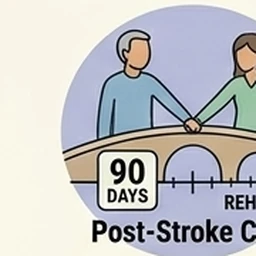
A stroke compresses years of caregiving change into ninety days. The patient who came home from the hospital is partly the person you knew and partly someone whose abilities will take weeks or months to map out. The rehab path that gets started in the first 90 days shapes the next decade. Here's what to set up while it matters most.
Lo que cambia para la familia
Stroke is uneven in a different way than dementia is. Specific abilities are gone or impaired (speech, swallowing, the use of one side, the ability to read or write); other things are intact, sometimes startlingly so. The first 90 days are the most consequential — most recovery happens then, and the rehab decisions made in that window largely determine the long-term trajectory. The marriage or family relationship reorganizes around new tasks (the spouse who suddenly handles the bills, the daughter who manages the rehab schedule), and the patient is often dealing with their own grief at the same time. Depression after stroke is common, treatable, and under-screened.
Lo que conviene organizar temprano
La ventana después del diagnóstico es cuando la familia tiene más margen para establecer la estructura sobre la que se apoyará el resto del camino. Mientras más espere, más difícil se vuelve cada uno de estos pasos.
- A clear plan for the rehab path: acute inpatient rehab vs. subacute (skilled nursing facility) vs. home health PT/OT/SLP. The choice depends on the patient's tolerance for therapy hours; the discharge planner has options but the family has to choose deliberately.
- FMLA paperwork for the working spouse / adult child who needs leave. Don't wait — FMLA is paperwork-heavy and benefits are easier to access when started early.
- Power-of-attorney activation if the stroke affected speech or capacity. Many couples have these in place but never activated them; the bank doesn't honor a POA unless you formally present it.
- Medication reconciliation across the new neurology / cardiology / PT team. Stroke patients leave the hospital with new anticoagulants + blood-pressure regimens; the existing pharmacy probably needs the updated list.
- Home modifications insurance won't cover that you need anyway: grab bars, a raised toilet seat, a shower chair, removing throw rugs, securing the path from bedroom to bathroom.
- A conversation with the kids — including adult children — about what changed and what didn't. Stroke is invisible until you see it; visible changes are easier for kids to integrate than the cognitive ones that show up subtly.
Los momentos más difíciles
Los momentos que las familias describen como los más difíciles suelen ser aquellos sobre los que nadie las advirtió. Saber lo que probablemente viene no hace que ninguno sea fácil — pero tener un nombre para ellos, y un espacio de trabajo que vuelva a unir a la familia cuando ocurren, sí ayuda.
- The first time a familiar task is hard for the patient and they realize it. Reading the newspaper, signing a check, using the remote. The grief of those moments lives with the patient for months.
- The transition from inpatient rehab to home. The discharge feels like progress, but home is harder than the rehab unit — no 24/7 staff, no immediate equipment, fewer cues.
- Post-stroke depression at week 4-8. Hits most stroke patients to some degree, often unrecognized because the family attributes it to the stroke itself. PCP screening + treatment changes the recovery arc.
- The decision about driving. Stroke recovery often gates the return to driving; the conversation about when (and whether) is one families avoid until insurance forces it.
Planes que se relacionan con esto
Los planes de Kintaria son guías paso a paso para los momentos específicos que aparecen en este recorrido de cuidado. Cada uno se abre en su espacio de trabajo y se personaliza con sus respuestas.
- Spouse · 90-day windowYour spouse just had a stroke.
- Hospital · 48-hour windowYour parent was just discharged from a hospital.
- Spouse · OngoingWhen you are the caregiver-spouse.
- Foundation · One-time setupGet the legal paperwork in order.
- Parent · 72 hours + 30 daysYour parent is recovering from a surgery.
Organizaciones nacionales y líneas de ayuda
Estas son las organizaciones que el sector considera los puntos de partida estándar. Todas son gratuitas y todas tienen líneas atendidas por personas reales (la línea telefónica de IA para cuidadores es otra categoría — aquí se trata de personas capacitadas en la condición específica).
- Stroke Family Warmline · 1-888-478-7653
The Stroke Family Warmline connects caregivers with trained stroke specialists. Support groups (in-person + online). "Care for the Caregiver" practical guide.
For stroke survivors with aphasia (loss or impairment of language). Communication strategies, support groups, family education.
- National Brain Injury Information Center · 1-800-444-6443
For families navigating cognitive impacts of stroke or other brain injuries. State chapters, support groups, family resources.
Federal stroke prevention + recovery resources. Plain-language warning signs (FAST), recovery guides, signs of a second stroke.
Cómo ayuda un espacio Kintaria
Kintaria es un espacio familiar compartido y tranquilo, diseñado para el trabajo que este diagnóstico está por generar. La lista de medicamentos vive en un solo lugar (para que el tercer hermano que vuela el fin de semana no tenga que volver a aprender qué cambió). El calendario de citas es compartido (para que la familia no duplique citas ni pierda el control de seguimiento de reumatología). El historial de actividad es honesto sobre quién hizo qué (para que el cuidador principal no cargue todo en silencio). Y el espacio es bilingüe — el paciente lee en su idioma preferido, la familia lee en inglés — lo cual importa más de lo que la gente espera cuando el diagnóstico mismo ya es desorientador.
Prueba gratuita de 1 año para las primeras 500 familias fundadoras. Sin tarjeta de crédito.
Una nota sobre lo que Kintaria es (y no es)
Kintaria no es una herramienta clínica, no es un sustituto de las decisiones médicas, no reemplaza al equipo de atención de stroke. La orientación de esta página es para familias que coordinan el cuidado; las decisiones clínicas específicas las debe tomar el clínico del paciente. Los mensajes de escalada en todo el espacio son honestos sobre ese límite.
Términos de cuidado en esta página
Palabras que quizá quiera tener definidas mientras lee esto. Cada una abre su propia página con el significado en lenguaje sencillo y cómo aparece en el cuidado.
- Case manager — A nurse or social worker employed by the hospital whose job is to coordinate care across the system — most importantly, discharge planning.
- Skilled nursing facility — A facility providing 24-hour skilled nursing care — primarily for short-term rehabilitation after hospitalization, but also for long-term residence.
- Home health — Skilled medical care delivered in the home by nurses, physical therapists, occupational therapists, or speech therapists — typically following hospitalization or during the management of a serious condition.
Ver también: todas las condiciones · todos los planes · glosario de cuidado · directorio nacional de recursos