Pag-aalaga sa mahal sa buhay na may sickle cell disease
Caring for someone with sickle cell disease
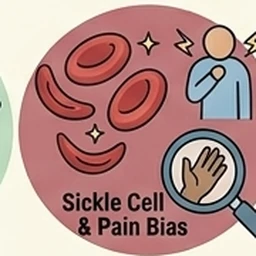
Sickle cell disease is the most common inherited blood disorder in the US, affecting ~100,000 Americans — almost all of African, Caribbean, or Latin American descent. It's also the disease where racial bias in pain management is most documented. The caregiver role often includes advocacy at every emergency room visit. Here's the orientation.
Ano ang nagbabago para sa pamilya
Sickle cell disease (SCD) reshapes a family along several axes that don't resemble other chronic-disease patterns. The medical work is dominated by pain — vaso-occlusive crises, in which sickle-shaped red blood cells block blood vessels, cause some of the most severe pain in medicine, requiring opioid treatment at levels that often trigger profiling at emergency rooms. The cumulative organ damage from years of micro-occlusion affects almost every organ system — chronic kidney disease, pulmonary hypertension, stroke risk, retinopathy, leg ulcers, avascular necrosis of joints — with the trajectory varying widely between patients. The treatment landscape has changed dramatically: hydroxyurea remains the foundation, voxelotor and crizanlizumab are newer options, and gene-therapy approvals in 2023-2024 (Casgevy, Lyfgenia) have made a curative path possible for some patients but at $2-3M per treatment with significant short-term toxicity. The family-caregiver role is unusually advocacy-heavy: ensuring the patient is believed at the ED, ensuring pain medication is given at the right doses, ensuring the SCD specialist (not just the hospitalist) is consulted, navigating insurance for the expensive newer therapies, often coordinating across multiple subspecialists.
Ano ang dapat ihanda nang maaga
Ang panahon pagkatapos ng diagnosis po ang yugto na pinakamaraming puwedeng gawin ng pamilya para itayo ang istrukturang sasandalan ng natitirang bahagi ng paglalakbay na ito. Habang inaantala po ninyo, lalong nagiging mahirap ang ilan sa mga bagay na ito.
- Connection to a hematologist who specializes in sickle cell (not just a general hematologist). Outcomes are dramatically better with SCD-specialist care. The Sickle Cell Disease Association of America (SCDAA) maintains a clinic locator.
- A written sickle cell pain action plan from the hematologist, signed and dated. The single most useful document a family can have at the ED — it documents the patient's typical pain regimen, prior responses to medications, and the SCD specialist's recommendation. Reduces (does not eliminate) the bias problem.
- Pneumococcal + meningococcal + annual flu + COVID + RSV vaccines. Patients with SCD are functionally asplenic and at high risk for serious bacterial infections; the vaccine schedule is more intensive than for the general population. Penicillin prophylaxis through age 5 is standard for kids.
- Education about hydroxyurea + the newer therapies. Hydroxyurea reduces crises and extends life, but uptake remains too low; clinician + family advocacy for it makes a measurable difference. Voxelotor, crizanlizumab, and gene therapy are newer options each family should discuss with their specialist.
- A stroke-prevention plan for children with SCD. Transcranial Doppler ultrasound starting at age 2 identifies kids at high risk for stroke; chronic transfusion can prevent it. Often missed at non-SCD centers.
- Connection to a local Sickle Cell Disease Association chapter or community-based SCD organization. The advocacy + peer-support work in the SCD community is some of the most effective in any patient community. Strong family-mentor programs.
Ang pinakamahihirap na sandali
Ang mga sandali pong inilalarawan ng mga pamilya bilang pinakamahirap ay madalas na yaong walang nagsabi nang maaga sa kanila. Hindi po nagiging madali ang anuman sa mga ito dahil lang alam na ninyo na malamang dumating ang mga ito — pero ang pagkakaroon po ng pangalan para sa mga ito, at ng isang workspace na nagbubuklod muli sa pamilya kapag dumating ang mga ito, ay talagang nakatutulong.
- The first vaso-occlusive crisis admission where pain isn't adequately treated, or the patient is profiled as drug-seeking. The bias is well-documented and ongoing; the family's advocacy at the bedside is structurally important. Documentation, calm escalation to the patient's SCD specialist, and a written pain plan all help.
- The acute chest syndrome admission. ACS is the leading cause of death in adults with SCD; presents as chest pain + cough + fever, escalates fast, requires aggressive treatment including transfusion. Most families don't know to look for it specifically.
- The stroke conversation for parents of children with SCD. Stroke risk is meaningful in pediatric SCD; the prevention regimen (chronic transfusion or hydroxyurea) is intensive and the alternative is heavy. The decision is best had with a pediatric hematologist + neurologist together.
- The gene therapy decision. Casgevy + Lyfgenia offer a possible cure but cost $2-3M, involve months of treatment + isolation, carry real short-term toxicity, and the long-term outcomes are still emerging. The decision is profoundly personal; most patients + families take months to a year to make it.
Mga playbook na kaugnay nito
Ang mga playbook po ng Kintaria ay hakbang-hakbang na gabay para sa mga partikular na sandali na lumalabas sa daloy ng pag-aalaga na ito. Bawat isa po ay bubukas sa loob ng inyong workspace at iaayon sa mga sagot ninyo.
- Foundation · One-time setupGet the legal paperwork in order.
- Hospital · 48-hour windowYour parent was just discharged from a hospital.
- Wellness · OngoingWhen you're burning out.
- Parent · This is real nowYour parent is in the ER for the first time.
- Parent · Financial interventionWhen your parent's bills become a problem.
Mga pambansang organisasyon at helpline
Ito po ang mga organisasyong itinuturing na pamantayang panimulang punto sa larangan. Lahat po ay libre, at lahat ay tunay na helpline na sinasagot ng tao (ang AI-on-the-phone na caregiver line po ay ibang kategorya — dito po ay tao na sinanay sa partikular na kondisyong ito).
- 1-800-421-8453
The national SCD organization. Local member organizations across the country, clinic locator (SCDAA member SCD treatment centers), advocacy on insurance + policy issues. Strong patient + family resources.
Patient-led, social-media-native education + community. Plain-language resources on every aspect of SCD living. Particularly useful for newer-generation patients + caregivers.
CDC's SCD program. Authoritative information on screening, complications, treatment landscape, and emerging research. Plain-language, regularly updated.
Pediatric-focused SCD support. Family camps, scholarships, support for parents of newly-diagnosed children, advocacy for school accommodations.
Authoritative US government plain-language overview. Free, comprehensive, available in English + Spanish.
For patients + families navigating the reproductive-health side of SCD — genetic counseling, family planning, pregnancy in SCD. An under-served area; SCRED fills a real gap.
Paano tumutulong ang isang Kintaria workspace
Ang Kintaria po ay isang kalmado at magkasamang workspace ng pamilya na ginawa para sa trabahong sisimulang likhain ng diagnosis na ito. Ang listahan ng gamot ay nasa iisang lugar (para hindi na po kailangang muling pag-aralan ng pangatlong kapatid na lilipad pauwi sa katapusan ng linggo kung ano ang nagbago). Ang kalendaryo ng mga appointment ay magkasama (para hindi po magdoble ang booking ng pamilya o makalimutan ang follow-up sa rheumatology). Ang activity feed ay tapat tungkol sa kung sino ang gumawa ng ano (para hindi po dahan-dahang nagdadala ng lahat ang pangunahing tagapag-alaga). At ang workspace ay bilingual po — ang pasyente ay nakababasa sa wikang mas komportable para sa kanya, ang pamilya ay nakababasa sa Ingles — at ito po ay mas mahalaga kaysa sa inaasahan ng karamihan kapag ang diagnosis mismo ay nakapagpapalito na.
Libreng 1-taong subok para sa unang 500 founding na pamilya. Walang kailangang credit card.
Isang paalala kung ano ang Kintaria (at kung ano ang hindi)
Hindi po klinikal na kasangkapan ang Kintaria, hindi po kapalit ng medikal na desisyon, at hindi po kapalit ng care team para sa sickle cell disease. Ang nilalaman po sa pahinang ito ay para sa mga pamilyang nag-uugnay ng pangangalaga; ang mga tiyak na klinikal na desisyon ay kailangang gawin ng doktor ng pasyente. Ang mga senyales ng pag-escalate sa buong workspace ay tapat tungkol sa hangganang iyon.
Mga termino sa pangangalaga na lumalabas sa pahinang ito
Mga salitang baka po gusto ninyong malaman ang kahulugan habang binabasa ito. Bawat isa po ay bubukas sa sariling pahina na may simpleng paliwanag ng kahulugan at kung paano ito lumalabas sa pangangalaga.
- Hospitalist — A doctor who works exclusively inside the hospital.
Tingnan din: lahat ng kondisyon · lahat ng playbook · talasalitaan para sa tagapag-alaga · pambansang direktoryo ng mapagkukunan