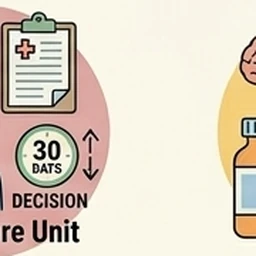
Pag-aalaga sa mahal sa buhay na may Parkinson's disease
Caring for someone with Parkinson's disease
Parkinson's is a long, slow disease with distinct stages and a treatment landscape that changes faster than most caregivers expect. The medication arc is the single most important thing to learn early. Here's the orientation.
Ano ang nagbabago para sa pamilya
Parkinson's reorganizes a family around motor changes (tremor, slowness, gait), but the part most families are unprepared for is the cognitive and behavioral changes that arrive later — apathy, depression, anxiety, sleep disruption, and (in a meaningful share of patients) dementia. The medication regimen is unusual in that timing matters as much as dose: missed doses produce abrupt, visible "off" periods that affect mobility and dignity. The relationship around a Parkinson's patient often becomes a partnership in disease-management vocabulary that takes the family months to learn. Most patients can live many years with good support; the trajectory is slower than dementia but more nuanced than stroke.
Ano ang dapat ihanda nang maaga
Ang panahon pagkatapos ng diagnosis po ang yugto na pinakamaraming puwedeng gawin ng pamilya para itayo ang istrukturang sasandalan ng natitirang bahagi ng paglalakbay na ito. Habang inaantala po ninyo, lalong nagiging mahirap ang ilan sa mga bagay na ito.
- A clinical relationship with a movement-disorder specialist (a neurologist who subspecializes), not just a general neurologist. Outcomes are measurably better with subspecialist care. Most academic medical centers have a Parkinson's clinic.
- A medication schedule that the family understands. Levodopa and many Parkinson's drugs are timing-sensitive — a missed dose produces an "off" period within an hour. Set phone alarms; the workspace medication list helps.
- Connection to the local Parkinson's support group through the Parkinson's Foundation. The community is well-organized, generous, and a meaningful share of practical knowledge moves through these groups rather than clinics.
- A baseline cognitive assessment with the neurologist. Cognitive changes are common with Parkinson's; documenting the starting point makes future changes easier to recognize.
- A safety review of the home: trip hazards, lighting, bathroom grab bars, a chair with arms in every room the patient spends time in. Falls are the most common acute cause of decline in Parkinson's.
- A conversation about driving and the realistic timeline. Most Parkinson's patients stop driving years before they would otherwise — the medication on/off cycles affect reaction time in ways that don't map to standard impairment screens.
Ang pinakamahihirap na sandali
Ang mga sandali pong inilalarawan ng mga pamilya bilang pinakamahirap ay madalas na yaong walang nagsabi nang maaga sa kanila. Hindi po nagiging madali ang anuman sa mga ito dahil lang alam na ninyo na malamang dumating ang mga ito — pero ang pagkakaroon po ng pangalan para sa mga ito, at ng isang workspace na nagbubuklod muli sa pamilya kapag dumating ang mga ito, ay talagang nakatutulong.
- The first major "off" period that the family witnesses. The patient who was moving normally an hour ago is suddenly frozen; the helplessness of those minutes is one of the hardest things in Parkinson's caregiving.
- The decision about deep brain stimulation (DBS). For some patients, DBS is transformative; for others, it's the wrong intervention. The decision is irreversible-ish (the device stays in) and the conversation deserves a movement-disorder specialist, not a general neurologist.
- Hallucinations or psychosis. A meaningful share of Parkinson's patients develop these — usually treatable, often distressing, and frequently a sign that medications need adjustment rather than something to be ashamed of.
- The shift toward home support or facility care, often gated by falls + cognition rather than disease progression alone.
Mga playbook na kaugnay nito
Ang mga playbook po ng Kintaria ay hakbang-hakbang na gabay para sa mga partikular na sandali na lumalabas sa daloy ng pag-aalaga na ito. Bawat isa po ay bubukas sa loob ng inyong workspace at iaayon sa mga sagot ninyo.
Mga pambansang organisasyon at helpline
Ito po ang mga organisasyong itinuturing na pamantayang panimulang punto sa larangan. Lahat po ay libre, at lahat ay tunay na helpline na sinasagot ng tao (ang AI-on-the-phone na caregiver line po ay ibang kategorya — dito po ay tao na sinanay sa partikular na kondisyong ito).
- Helpline · 1-800-473-4636 · Mon-Fri
The leading patient-and-family organization. Free helpline staffed by Parkinson's nurses, local chapters with support groups, Centers of Excellence directory for finding a movement-disorder specialist.
Research-focused with a strong patient-education arm. The "Ask the MD" video series is a useful entry point for newly-diagnosed families.
- Helpline · 1-800-223-2732
Information and Referral Centers across the country, exercise programs (the most evidence-based non-medication intervention), and family-focused resources.
The authoritative US government plain-language overview. Free, comprehensive.
Paano tumutulong ang isang Kintaria workspace
Ang Kintaria po ay isang kalmado at magkasamang workspace ng pamilya na ginawa para sa trabahong sisimulang likhain ng diagnosis na ito. Ang listahan ng gamot ay nasa iisang lugar (para hindi na po kailangang muling pag-aralan ng pangatlong kapatid na lilipad pauwi sa katapusan ng linggo kung ano ang nagbago). Ang kalendaryo ng mga appointment ay magkasama (para hindi po magdoble ang booking ng pamilya o makalimutan ang follow-up sa rheumatology). Ang activity feed ay tapat tungkol sa kung sino ang gumawa ng ano (para hindi po dahan-dahang nagdadala ng lahat ang pangunahing tagapag-alaga). At ang workspace ay bilingual po — ang pasyente ay nakababasa sa wikang mas komportable para sa kanya, ang pamilya ay nakababasa sa Ingles — at ito po ay mas mahalaga kaysa sa inaasahan ng karamihan kapag ang diagnosis mismo ay nakapagpapalito na.
Libreng 1-taong subok para sa unang 500 founding na pamilya. Walang kailangang credit card.
Isang paalala kung ano ang Kintaria (at kung ano ang hindi)
Hindi po klinikal na kasangkapan ang Kintaria, hindi po kapalit ng medikal na desisyon, at hindi po kapalit ng care team para sa Parkinson's disease. Ang nilalaman po sa pahinang ito ay para sa mga pamilyang nag-uugnay ng pangangalaga; ang mga tiyak na klinikal na desisyon ay kailangang gawin ng doktor ng pasyente. Ang mga senyales ng pag-escalate sa buong workspace ay tapat tungkol sa hangganang iyon.
Tingnan din: lahat ng kondisyon · lahat ng playbook · talasalitaan para sa tagapag-alaga · pambansang direktoryo ng mapagkukunan